

Taking your furry first mate on a boating adventure can be one of the most rewarding experiences on the water, but proper preparation ensures everyone returns home safe and happy.
Gear Up Your Four-Legged Crew Member for Success
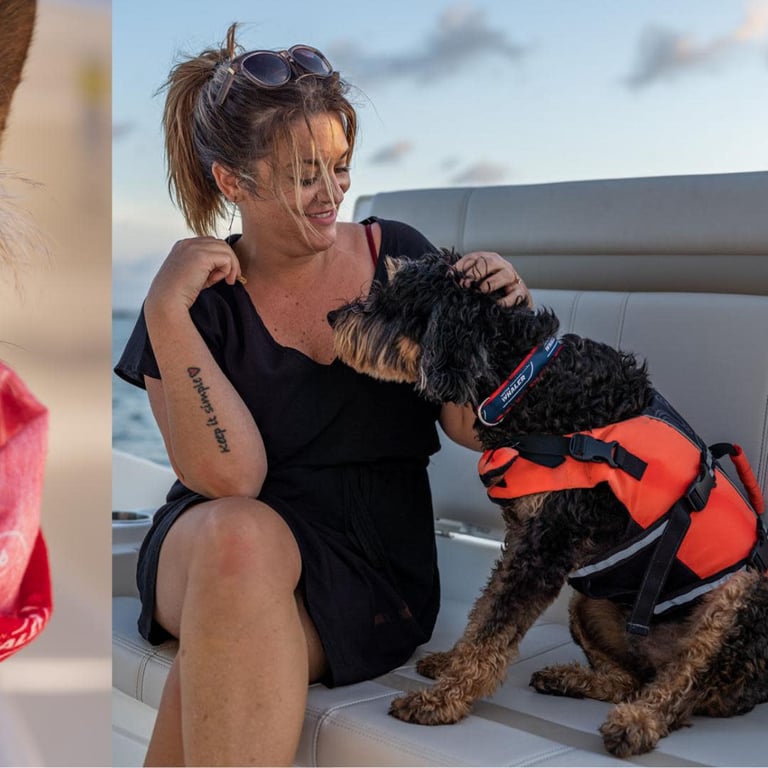
Before your pet sets paw on deck, you'll need the right equipment to keep them safe and comfortable throughout your Lake Erie adventure. The most critical piece of gear is a properly fitted Personal Flotation Device (PFD) designed specifically for pets. Even if your dog is a strong swimmer, unpredictable currents and boat wakes can quickly exhaust any animal. Look for a life jacket with a sturdy handle on top – this feature is absolutely essential for lifting your pet back aboard if they end up in the water.
Beyond the PFD, your pet will need proper identification at all times. A collar with current contact information is non-negotiable, but we strongly recommend microchipping as well. Water conditions can be unpredictable, and collars can slip off. A microchip provides permanent identification that gives you the best chance of reunion if you become separated during your outing.
Don't forget the comfort items that make the day enjoyable. A non-slip mat or pad gives your pet secure footing on smooth deck surfaces, preventing anxiety and potential injury. Bring along their favorite toys – but choose floating versions that won't sink if they go overboard during playtime. A portable water bowl and plenty of fresh drinking water are absolute must-haves for keeping your furry crew member hydrated throughout the day.
Pre-Departure Training and Preparation That Makes All the Difference
The key to a successful boating experience with your pet starts long before you untie the dock lines. Begin by assessing your pet's comfort level with water through controlled swimming sessions at a beach or pool. Not every dog is a natural water lover, and cats especially may need extra time to warm up to aquatic environments. Watch their body language carefully – relaxed ears, wagging tails, and playful behavior indicate they're enjoying themselves, while flattened ears, tucking tails, or attempts to escape signal stress.
Once you've confirmed your pet tolerates water well, it's time to introduce them to the boat itself. While docked, walk them around the marina to familiarize them with the environment – the sounds of waves lapping against hulls, the creaking of dock lines, and the movement beneath their feet. Let them board your vessel multiple times, rewarding calm behavior with treats and praise. This gradual exposure builds positive associations and reduces anxiety.
Engine noise can startle pets who aren't prepared for it. While still at the dock, turn on your engines and let your pet experience the vibration and sound in a stationary, controlled setting. Start with brief exposures and gradually increase the duration. Once they seem comfortable, take short trips around the marina before venturing out for longer excursions. This step-by-step approach helps ensure your pet views boating as an exciting adventure rather than a stressful ordeal.
Onboard Safety Protocols Every Pet Owner Should Follow
Safety on the water requires vigilance and clear protocols, especially when you've got a four-legged crew member aboard. First and foremost, your pet should wear their PFD at all times while the boat is underway – no exceptions. Even during calm conditions, unexpected situations can arise quickly on the water, and having that life jacket already secured could be the difference between a scare and a tragedy.
Establish clear boundaries about where your pet can and cannot go on your vessel. Keep them away from the propeller area, anchor lines, and any moving mechanical parts. If you're running at speed or navigating choppy water, have a designated safe spot where your pet should stay – ideally a lower area of the boat where they can brace themselves against sudden movements. Many pets naturally gravitate toward the bow to catch the breeze, but this is one of the most dangerous positions if the boat hits a wake or makes a sharp turn.
Never leave your pet unattended on deck, and be extra cautious during docking and undocking procedures when there's increased activity and potential for your pet to jump or fall. If you're anchoring for swimming or fishing, watch your pet closely for signs of fatigue if they're in the water. What seems like endless energy at the dog park translates differently in open water where currents add resistance and there's no shallow end for a rest break.
Managing Your Pet's Comfort and Hydration Throughout the Day
A day on Lake Erie means sun, wind, and potentially high temperatures – conditions that can quickly lead to dehydration and discomfort for your pet. Fresh drinking water should be available at all times, and you should offer it frequently, even if your pet doesn't seem thirsty. The excitement and activity level means they're burning through fluids faster than normal. Avoid letting them drink lake water, which can contain bacteria and parasites that cause illness.
Sun protection is critical for pets, and yes, they absolutely can get sunburned! Short-haired breeds and animals with light-colored fur are especially vulnerable. Apply pet-safe sunscreen to exposed areas like the belly, inside the hind legs, ear tips, and nose. Create a shaded retreat where your pet can escape the direct sun – a Bimini top, canopy, or even a pop-up tent works perfectly. Encourage regular rest periods in this shaded area, especially during the hottest part of the day.
Watch for signs of overheating, which can develop quickly on the water. Excessive panting, drooling, lethargy, or unsteadiness on their feet are warning signs that your pet needs to cool down immediately. Wet them down with cool (not cold) water, offer small amounts of drinking water, and head for shore if symptoms don't improve quickly. Some pets get motion sickness just like humans do – if your vet has recommended Dramamine or other medication, administer it according to their instructions before departure.
Emergency Preparedness When Boating with Pets
Hope for the best, but prepare for the unexpected – that's the boater's motto, and it applies doubly when you've got pets aboard. The Humane Society recommends assembling a pet-specific first-aid kit that goes beyond your standard marine safety equipment. Include gauze, adhesive tape, antiseptic wipes, tweezers for removing splinters or fish hooks, a digital thermometer, and any medications your pet takes regularly. Add your veterinarian's phone number and the contact information for an emergency animal clinic near your usual boating area.
Remember, not every pet will take to boating, and that's perfectly okay. Pay attention to their comfort level and don't force the issue. But for those dogs and cats who love life on the water, following these safety guidelines means everyone comes home with nothing but great memories and maybe a little extra dock time in their future!
